

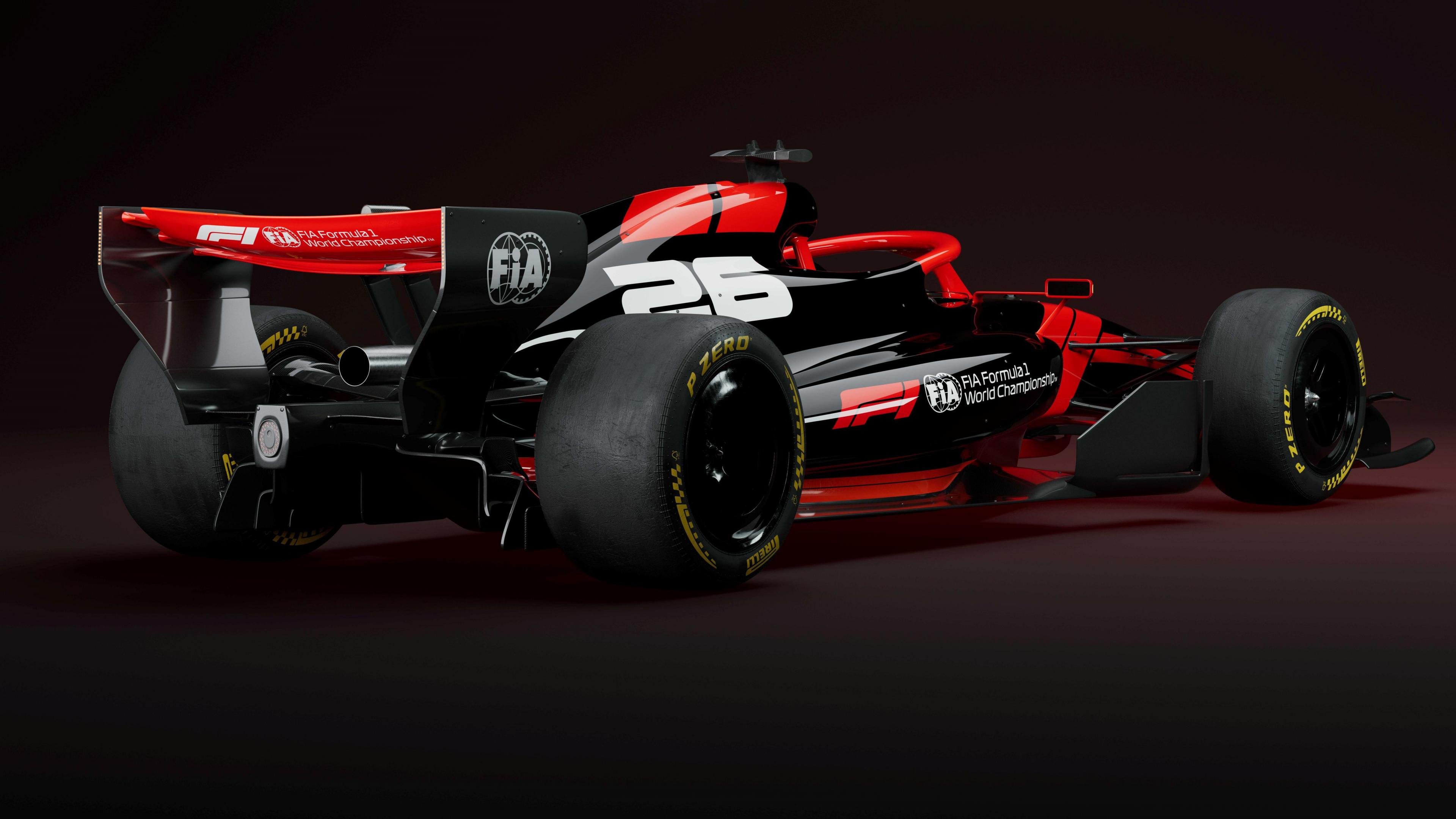
The 2026 Formula 1 cars are set to be smaller, nimbler and more environmentally friendly relative to present-day cars.
The world of Formula 1 has unveiled the simplified language that will be used to describe the advanced features of its revolutionary 2026 technical rules.
The championship is embarking on what is potentially the biggest regulation change in its competitive history starting in 2026, featuring fresh chassis and power unit regulations and the compulsory introduction of 100% sustainable fuels.
The new power units, which maintain the hybrid V6 layout, boast a significantly increased energy storage, necessitating significant developments in the vehicles' aerodynamic design.
Over a race distance, drivers will tactically deploy electrical energy – sometimes even hot laps – to secure the best performance.
Extensive fan consultation were conducted with a mix of viewers, including long-time followers and newcomers, to determine which phrases would aid comprehension of the key features of the upcoming rules.
The stated goal was to render a set of intricate features of the racing as straightforward as possible for the global fanbase.
Consequently, initial designations for certain devices – such as "alphabetical mode names" for the adjustable aero – have been phased out in favour of descriptive names that directly explain the real-world effect of the technology.
Exploring the New Tech
According to rule-makers that competitors will have more power to choose strategies regarding energy deployment, harvesting, and efficiency.
The upcoming changes mandate a range of settings that will be clearly indicated on broadcast screens to aid the audience's understanding of the on-track action.
- Attack Mode: This takes over from the existing Drag Reduction System. It provides a burst of extra electrical energy accessible when a car is within one second the car ahead to facilitate an overtake.
- Boost Mode: This is a on-demand energy deployment from the ERS that can be used in attack or defence. It grants the pilot peak output at the click of a switch.
Both of these crucial modes will have to be managed carefully, as the available electrical charge is restricted.
- Adjustable Aero: Both the car's wings move automatically – flattening on the long straight sections for reduced drag and top speed, and sealing in the corners for peak grip.
- Energy Harvesting: Cars can harvest energy with power recovered from braking, or during coasting at the conclusion of a straight or in corners where only limited engine output is applied.
2026 Car Specifications
The 2026 cars will be more compact and lighter relative to current models, with a distance between axles reduced by 200mm to 3,400mm, car width reduced by 100mm – down to 1,900mm – and the minimum weight lowered by 30kg.
Cumulative downforce is projected to decrease by approximately 15-30%, although squads will inevitably claw this back as they refine their designs.
Aerodynamic drag has been reduced by 40%. The cars will utilize adjustable aero systems – both wings will adjust on the straights to improve speed and boost top speed and return into place for optimal grip in corners.
Tyres will continue to use the current rim size, but the tyres themselves will be slimmer, by a quarter-centimetre on the front and 30 millimetres on the rear axle.
Power Unit Revolution
The 2026 engines will have an roughly half-and-half distribution in horsepower generated by the petrol engine and the ERS, up from about 20% battery contribution under present rules.
The hybrid system is made less complex through the deletion of the complex turbo energy recovery device, the sophisticated and pricey device that harvested power from the exhaust turbo.
All vehicles will be mandated to operate on carbon-neutral fuel, produced using plant-based materials or lab-created processes.


